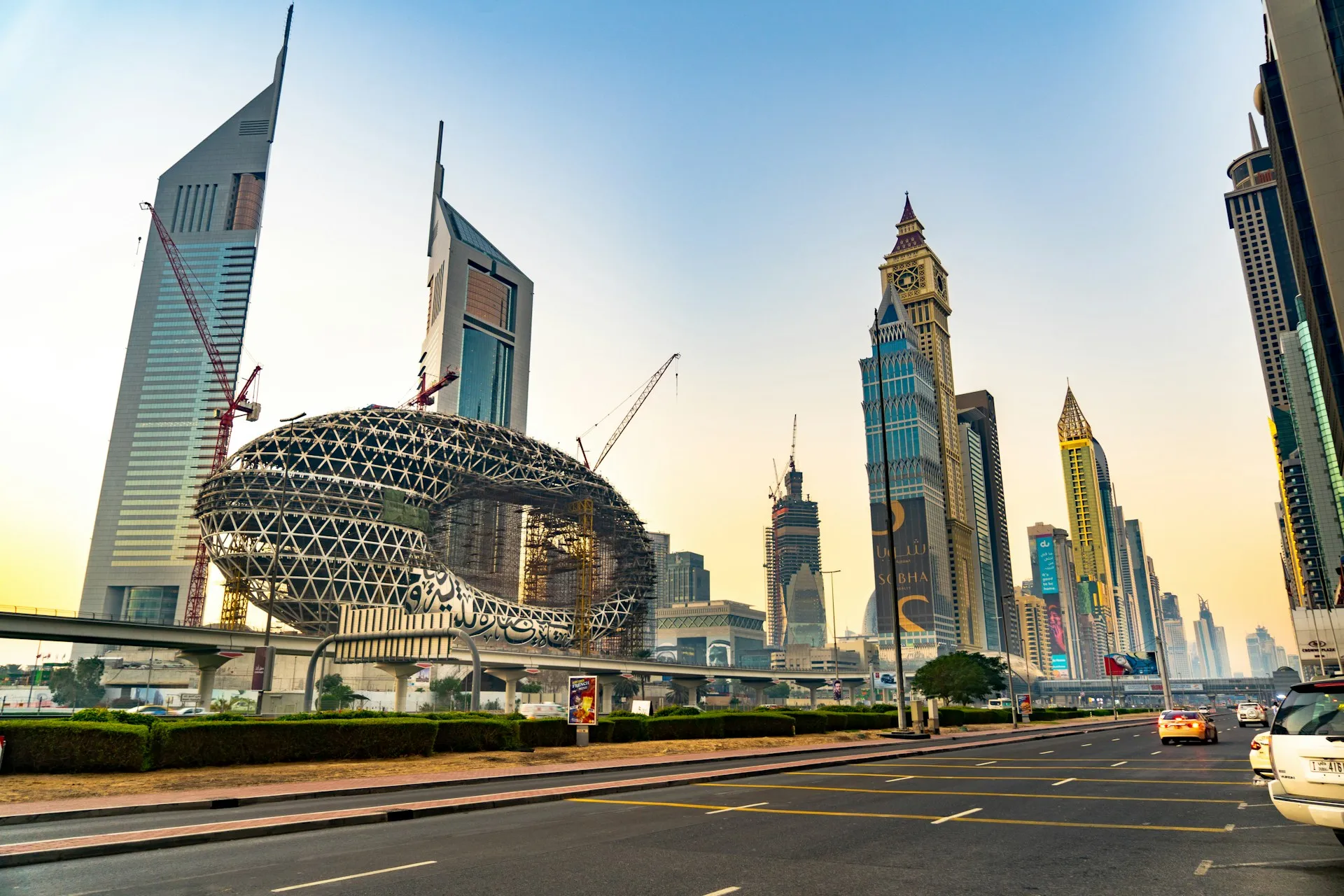
Дубайский центр многопрофильной торговли (Dubai Multi Commodities Centre) — крупнейшая свободная зона в мире по числу зарегистрированных компаний и площадка по умолчанию для бизнеса, торгующего золотом, бриллиантами, чаем, кофе и другими сырьевыми товарами. Здесь же сосредоточена значительная часть криптовалютной и web3-активности Дубая через DMCC Crypto Centre. Этот охват сопровождается более тяжёлой нагрузкой по комплаенсу, чем несёт большинство свободных зон Дубая, и компании, которым в DMCC приходится трудно, обычно те, кто выбрал зону ради адреса, не заложив в расчёт обязательства, следующие за видом деятельности.
Выбор DMCC в 2026 году — это решение о сопоставлении бизнеса с регуляторной нагрузкой, а не выбор почтового индекса. Форма компании фиксирует ответственность и владение, правила корпоративного налога решают, сохранится ли ставка 0%, вид деятельности определяет, какой регулятор его лицензирует, а правила противодействия отмыванию денег жёстко касаются любого, кто торгует драгоценными металлами или виртуальными активами. Для корпоративных юристов в Дубае вопросы, решающие, подходит ли DMCC бизнесу, касаются присутствия, квалифицированного дохода, правильной лицензии и функции комплаенса, которую компании придётся вести с первого дня. DMCC — одна из нескольких свободных зон Дубая, и выбор между ними — предмет нашего более широкого руководства по регистрации компании в свободной зоне ОАЭ.
Какие формы компаний допускает DMCC
DMCC применяет собственное корпоративное право. Положение о компаниях DMCC, вступившее в силу в 2020 году, устанавливает современную структуру, которая прямо отменяет применение федерального Закона ОАЭ о коммерческих компаниях, а Закон № 3 от 2020 года о DMCC на уровне эмирата наделяет Управление DMCC полномочиями по лицензированию и в отношении зоны. Положение ввело классы акций, статус неактивной (dormant) компании и возможность перенести регистрацию существующей компании в DMCC, без фиксированного минимального уставного капитала сверх того, что требует вид деятельности.
Отсутствующая офшорная опция — первое, что удивляет бизнес, переходящий из другой зоны. DMCC создана для компаний, которые работают, держат лицензию и занимают помещения, а не для неактивных холдинговых оболочек. Там, где цель — владеть долями, имуществом или интеллектуальной собственностью, а не торговать, выбор инструмента лежит за пределами DMCC — структурный вопрос, который мы прорабатываем в нашем руководстве по созданию холдинговой компании в Дубае.
Позиция по корпоративному налогу и НДС
Компания DMCC должна зарегистрироваться по корпоративному налогу в Федеральном налоговом управлении и получить регистрационный налоговый номер так же, как любая другая компания ОАЭ. Она платит 0% только с квалифицированного дохода и только пока остаётся квалифицированным лицом свободной зоны, что требует достаточного присутствия в зоне, квалифицированного дохода, соблюдения трансфертного ценообразования и аудированной финансовой отчётности. DMCC обеспечивает соблюдение требования об аудите напрямую. Компания-член должна загрузить аудированную отчётность на портал DMCC в течение 90 дней после окончания своего финансового года, чтобы лицензия оставалась активной, — более жёсткая дисциплина, чем применяют некоторые другие зоны.
Позиция по НДС несёт распространённое и дорогостоящее заблуждение. DMCC является свободной зоной, но не является обозначенной зоной (Designated Zone) для целей НДС. Некоторые свободные зоны Дубая, такие как Джебель-Али, являются обозначенными зонами, где товары, перемещающиеся внутри зоны, могут выходить за рамки НДС. DMCC в этот список не входит. Стандартный НДС 5% применяется к поставкам товаров и услуг DMCC обычным порядком. Торговый бизнес, предположивший, что адрес в свободной зоне убирает НДС из его внутренних перемещений, неверно прочитал правило, и этот пробел обычно всплывает при НДС-проверке, а не при регистрации.
Сырьевые товары, крипто и следующие за ними лицензии
DMCC выросла вокруг физических сырьевых товаров. Здесь размещены Дубайская алмазная биржа, торговля золотом и драгоценными металлами, а также специализированные центры чая и кофе, и значительная доля её членов торгует этими товарами. Вид деятельности, который компания лицензирует, определяет гораздо больше, чем её торговое наименование. Он определяет, какому регулятору компания подотчётна и какой режим комплаенса применяется.
Самый наглядный пример — виртуальные активы. DMCC открыла крупнейшую в регионе web3-экосистему через свой Crypto Centre, но компании, которая хочет торговать, обменивать или предоставлять рынку услуги в области виртуальных активов, нужна лицензия от Управления по регулированию виртуальных активов (Virtual Assets Regulatory Authority), специализированного крипторегулятора Дубая, в дополнение к лицензии DMCC. Торговая лицензия DMCC сама по себе не разрешает регулируемую деятельность с виртуальными активами. Такое же наслоение применяется к финансовой и финтех-деятельности, где федеральный и дубайский финансовые регуляторы стоят над лицензией свободной зоны, — схема, которую мы излагаем в нашем руководстве по созданию финтех-компании в ОАЭ. Урок в том, чтобы подтвердить регулятора до получения лицензии, потому что неправильную лицензию дорого исправлять, когда компания уже ведёт деятельность.
Правила противодействия отмыванию денег, которые обеспечивает DMCC
DMCC несёт одну из самых тяжёлых нагрузок по противодействию отмыванию денег среди всех свободных зон ОАЭ, потому что золото, драгоценные камни и виртуальные активы относятся к товарам с наивысшим риском отмывания денег. Член DMCC, имеющий дело с ювелирными изделиями, драгоценными металлами или драгоценными камнями, является назначенным нефинансовым бизнесом или профессией (Designated Non-Financial Business or Profession) согласно Федеральному декрету-закону № 20 от 2018 года, что влечёт за собой определённый набор обязанностей.
Дилер должен зарегистрироваться на платформе goAML Подразделения финансовой разведки, назначить ответственного за отчётность по отмыванию денег, проводить надлежащую проверку клиентов и подавать сообщения о подозрительных операциях. Наличные операции на сумму 55 000 AED и выше влекут обязанности по отчётности, а записи должны храниться не менее пяти лет. DMCC наслаивает собственные риск-ориентированные правила надлежащей проверки для дилеров драгоценных металлов и камней поверх федерального режима и проверяет соблюдение. Эти обязанности существуют наряду с подачей сведений о конечном бенефициарном владельце, которую каждая компания DMCC должна выполнить и поддерживать в актуальном состоянии, что мы объясняем в нашем руководстве по раскрытию информации о бенефициарных владельцах (UBO) в ОАЭ. Слабая функция противодействия отмыванию денег в DMCC — это не сбой в бумагах. Это риск, который может привести к штрафам, мерам по лицензии, а в серьёзных случаях — к расследованию финансового преступления.
Где рассматривается спор по DMCC
DMCC не имеет собственного суда или собственного массива материального права. Договорный спор по DMCC по умолчанию переходит в суды Дубая, которые применяют гражданское право ОАЭ на арабском языке, если стороны не договорились об ином. Этот режим по умолчанию застаёт многие международные стороны врасплох, потому что они полагают, что свободная зона несёт суд свободной зоны.
У членов DMCC есть две основные альтернативы, и обе нужно выбирать заранее. Первая — суды DIFC, форум общего права на английском языке, в который компании DMCC могут перейти по соглашению, включая Трибунал по малым искам судов DIFC, к которому члены DMCC могут обращаться напрямую. Суды DIFC — это юрисдикция по выбору (opt-in), поэтому обе стороны должны дать согласие, либо в контракте, либо после возникновения спора. Вторая — арбитраж через такие органы, как DIAC, ICC или LCIA, снова по соглашению в контракте. Центр по спорам DMCC добавляет добровольный слой медиации перед любым из этих вариантов. Важны два исключения: трудовые споры относятся к ведению Министерства людских ресурсов и эмиратизации, а споры по недвижимости внутри зоны относятся к регулятору недвижимости, поэтому ни те, ни другие не следуют маршрутом коммерческого спора. Практический вывод в том, что оговорка о юрисдикции решает форум, а компания, упускающая её, по умолчанию получает суды Дубая.
Как компании подойти к созданию бизнеса в Дубайском центре многопрофильной торговли в 2026 году?
Создание бизнеса в Дубайском центре многопрофильной торговли в 2026 году вознаграждает того, кто относится к лицензии как к началу функции комплаенса, а не к концу процесса регистрации. Форма компании фиксирует ответственность, правила корпоративного налога решают, держится ли ставка 0%, вид деятельности определяет регулятора, режим противодействия отмыванию денег касается золотых и криптобизнесов, а оговорка о юрисдикции решает, где будет урегулирован спор.
Наиболее срочные пробелы для существующей компании DMCC — это загрузка аудита в 90-дневный срок, позиция по присутствию и квалифицированному доходу по корпоративному налогу и регистрация по противодействию отмыванию денег для любого бизнеса, касающегося драгоценных металлов или виртуальных активов. Каждое из этого — действующая обязанность, а не разовая задача, и каждое — частая причина, по которой продление лицензии застревает. Новым участникам следует зафиксировать форму, подтвердить регулятора для вида деятельности и установить оговорку о юрисдикции до начала торговли, потому что все три условия труднее изменить, когда контракты подписаны.
Для основателей, сырьевых трейдеров, криптобизнесов и корпоративных групп, рассматривающих базу в DMCC, наши корпоративные юристы в Дубае консультируют по форме компании, лицензированию, налоговой позиции по корпоративному налогу, соблюдению правил противодействия отмыванию денег и спорам, возникающим на протяжении всей жизни компании свободной зоны.
Мы успешно завершили более 4,500 дел. Работаем в ОАЭ и Ливане, говорим на девяти языках и подбираем решения, исходя из вашей ситуации.
Свяжитесь с нами — обсудим, как можем помочь.