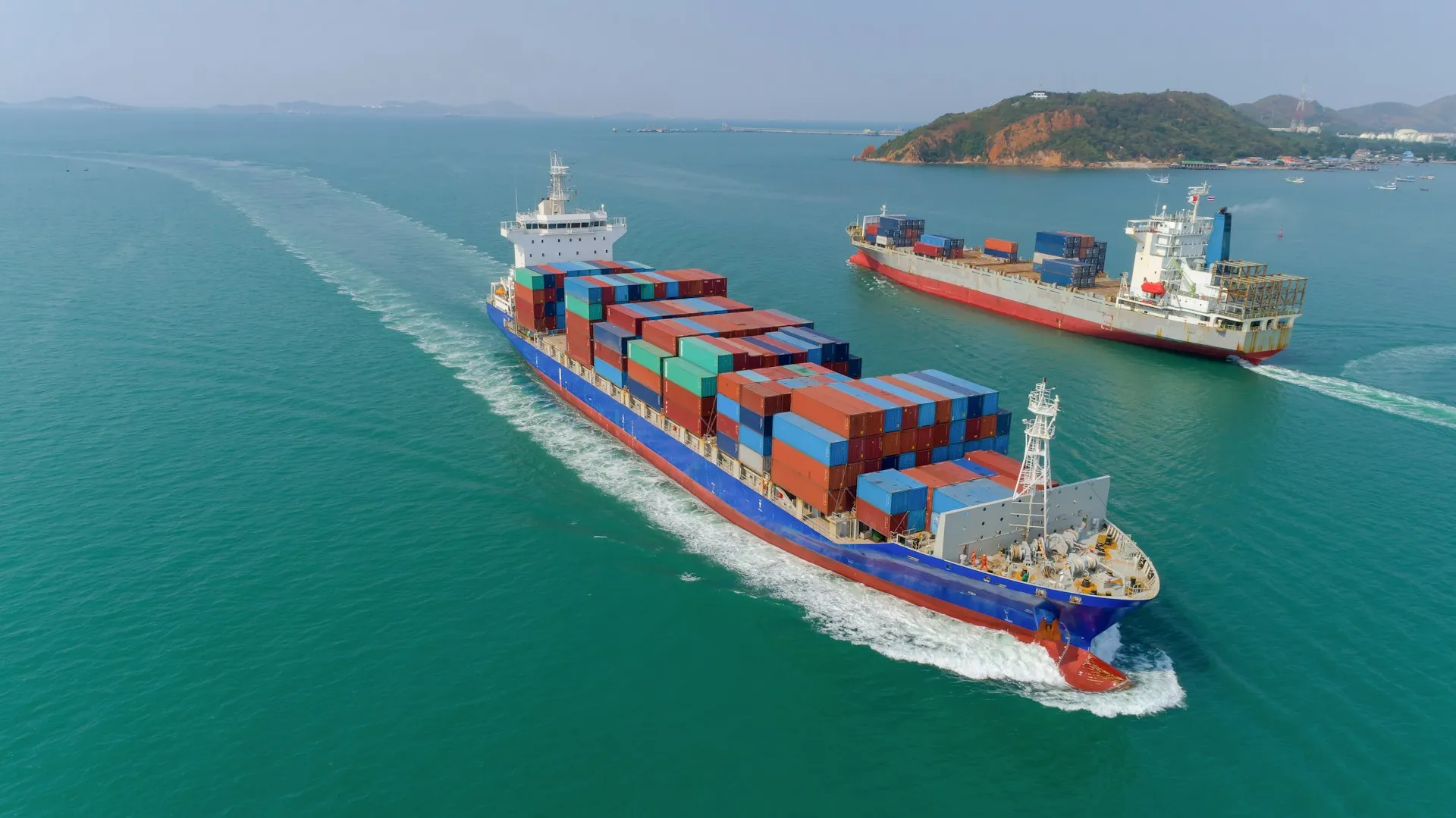
Under Federal Decree-Law No. 43 of 2023, general average losses are the extraordinary losses or expenses a captain intentionally and reasonably incurs to escape imminent danger. The danger must threaten the ship and its cargo together. The shipowner then recovers a share of those losses from each cargo interest that survived the voyage. It holds a lien over the cargo until each owner provides security. A UAE importer or exporter can have undamaged goods sitting in Jebel Ali and still face a six-figure contribution demand before the container is released.
The demand arrives regardless of fault in causing the peril, and the final adjustment can take years to complete. For dispute resolution lawyers in the UAE, the file usually opens in the days after the declaration. The cargo owner has been asked to sign security documents it has never seen before. The documents signed at that stage shape everything that follows.
How general average works under the UAE Maritime Law
The UAE Maritime Law, Federal Decree-Law No. 43 of 2023, took effect on 29 March 2024 and replaced the 1981 maritime code. Article 3 gives the parties' contract priority over the statute. Most bills of lading incorporate the York-Antwerp Rules, so in practice those rules govern what counts as general average and how the adjustment is calculated. The 2016 version is the most recent, and the statutory provisions fill the gaps where no rules are incorporated.
The law treats general average contributions as hard obligations. A shipowner cannot invoke limitation of liability for them under Article 81. The ship's own contribution to general average ranks third among the maritime liens in Article 29, behind only judicial costs and crew wages. Unpaid contributions also qualify as maritime debts under Article 53, which means a claimant can arrest the vessel to secure them. Our guide to vessel arrest under the UAE Maritime Law covers how those arrests work and how P&I club letters of undertaking now lift them.
Typical triggering events are engine room fires, groundings, cargo jettison, and deliberate flooding to fight a fire. Salvage under Lloyd's Open Form frequently runs alongside, and salvors hold their own security rights against each saved interest.
What happens after the declaration
The shipowner appoints an average adjuster, who sends each cargo interest a notice setting out the security required before the goods are released. The CMI general average guidelines publish the standard forms. An insured cargo owner normally signs an average bond, and its cargo insurer issues an average guarantee that takes over the payment obligation. An uninsured cargo owner is asked for the bond plus a cash deposit, often calculated as a percentage of the cargo's value.
Three practical points decide how much this costs. First, read the security wording before signing, since departures from the CMI standard forms can widen the obligation. Second, record and notify any loss or damage to the cargo at once, because damage reduces the contributory value and with it the contribution. Third, keep proof of any deposit, as part of it usually comes back once the adjustment closes.
The adjustment itself is slow. Contributory values are fixed at the place where the voyage ends, and statements run to hundreds of pages. Final figures on major casualties commonly take two years or more. The security, and the funds behind it, stay committed for that entire period.
Marine cargo insurance and who pays the contribution
Cargo policies written on the Institute Cargo Clauses dominate the UAE market. They cover general average contributions and salvage charges even under the restricted B and C clauses. A properly insured cargo owner therefore hands the file to its insurer, which posts the guarantee and funds the eventual contribution. The premium bought exactly this protection.
The gaps appear at the edges. Underinsured cargo pays the shortfall itself. The insurer's liability is capped at the insured value while the contribution is assessed on the full contributory value. Goods moved on cost-only terms without a policy leave the owner facing the deposit demand alone. And a policy only responds if the claim reaches the insurer in time. The Maritime Law cut the limitation period for marine insurance claims from two years to one. The change catches claimants who wait for the adjustment before approaching their underwriters.
Disputes with insurers over cover, valuation, or guarantee wording sit within the wider regulatory framework for UAE insurers. Our UAE insurance law and compliance guide covers that framework.
When a contribution can be resisted
Signing the average bond preserves the cargo owner's defences. The York-Antwerp Rules state that contribution rights are unaffected by fault, but they also preserve every remedy against the party whose fault caused the peril. A cargo owner that pays a contribution caused by the carrier's actionable fault can recover it back from the carrier.
Unseaworthiness is the usual battleground. If the fire or breakdown traces back to a defect the carrier should have addressed before the voyage, the Article 175 protection falls away. The contribution then becomes recoverable from the carrier as damages. The evidence sits in casualty reports, class records, and the adjuster's file, which is why requests for those documents should go out early. Our article on carrier liability and cargo claims in the UAE sets out the liability caps and defences that apply to that recovery claim.
Identity of the carrier matters as much as fault. A forwarder that issued a house bill of lading may occupy the carrier's position for both the cargo claim and the general average recovery. Our analysis of when a UAE freight forwarder becomes liable as a carrier sets out where that line falls.
Time limits that decide these claims
The adjustment timetable and the litigation timetable run at different speeds, and the mismatch is where recoveries die. Cargo claims against the carrier are barred one year from delivery under Article 187. Claims against marine insurers are barred after one year under the new law. Collision claims now carry a one-year bar as well. A cargo owner that waits eighteen months for the adjustment statement before acting has already lost both its carrier claim and, potentially, its policy claim.
The working rule is to treat the declaration date as the start of the clock for everything. Notify insurers immediately, agree time extensions with the carrier where the adjustment will run long, and issue protective proceedings where extensions are refused. UAE courts uphold time bar defences, and the shortened periods leave little slack.
How should UAE cargo owners handle a general average claim in 2026?
General average in the UAE now runs on the framework of Federal Decree-Law No. 43 of 2023, and the mechanics reward the prepared. The cargo owner with Institute Clauses cover, a reviewed bond, and early insurer notification pays its premium and recovers its goods. The one without cover, or the one that signs whatever the adjuster sends, carries the contribution personally. It funds that liability for the years the adjustment takes.
The most expensive mistakes are made in the first two weeks and the last two months. Early, that means signing non-standard security or missing damage notifications that would have cut the contributory value. Late, it means letting the one-year bars against the carrier and the insurer expire while the adjustment is still open. Both are avoidable with a timetable built on the declaration date.
Cargo owners, traders, and logistics operators facing a declaration should have the security documents and recovery options reviewed before committing to anything. The same applies to insurers handling the resulting claims. Our dispute resolution lawyers in the UAE act across general average security, marine insurance disputes, and cargo recovery claims. The team has particular depth in the maritime and logistics sector.
Whether it’s business or personal, our team provides the insight and guidance you need to succeed.