Liability for damage caused by others

We advise clients on their rights and responsibilities in cases involving harm caused by others, offering strategic legal support to pursue or defend claims under UAE civil liability law.

Practice Overview

Cases involving damage caused by third parties often raise complex legal questions about liability, intent, and responsibility. At Kayrouz & Associates, we assist individuals and businesses in navigating these claims under UAE civil law, where fault-based liability, joint responsibility, and indirect harm are all considered.

Our lawyers handle claims where damage has been caused by employees, subcontractors, minors, or those under someone’s supervision. We also advise on harm resulting from defective products, negligent service providers, or unsafe premises. Establishing causation and legal fault requires careful legal and factual analysis, which our team is experienced in delivering.

We represent both plaintiffs seeking compensation and defendants protecting against unjust claims. Our priority is to present a clear case backed by evidence, legal precedent, and expert opinions where needed. We also provide risk mitigation advice to employers, contractors, and landlords exposed to secondary liability risks.

In some cases, liability may be shared between several parties. We help our clients navigate contribution and indemnity issues, and ensure that any judgment or settlement reflects their actual level of responsibility.

We offer legal advice on a wide spectrum of matters:

  • Claims involving vicarious liability for employees or agents
  • Cases of harm caused by children or persons under guardianship
  • Product liability and defective goods claims
  • Negligence in professional services or facility operations
  • Joint liability and contribution among co-defendants
  • Defending liability in civil litigation and mediation settings

Meet Our Team

Our team is equipped to handle complex legal matters with precision and care. Learn more about our lawyers below.
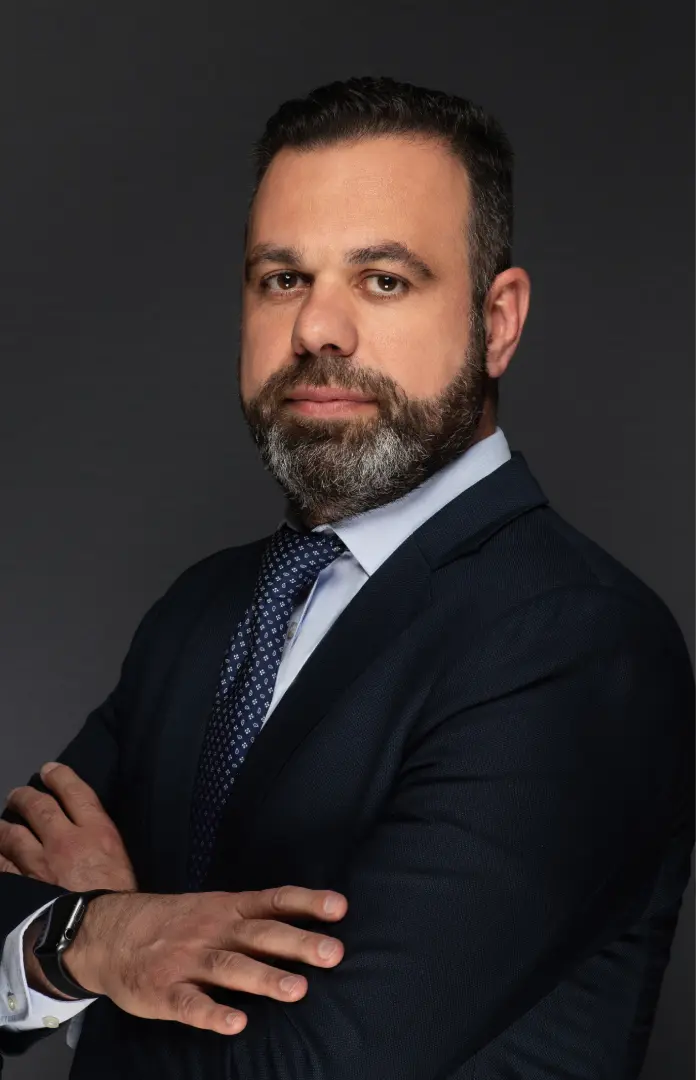
Pierre Kayrouz

Pierre Kayrouz

Chief Legal Officer
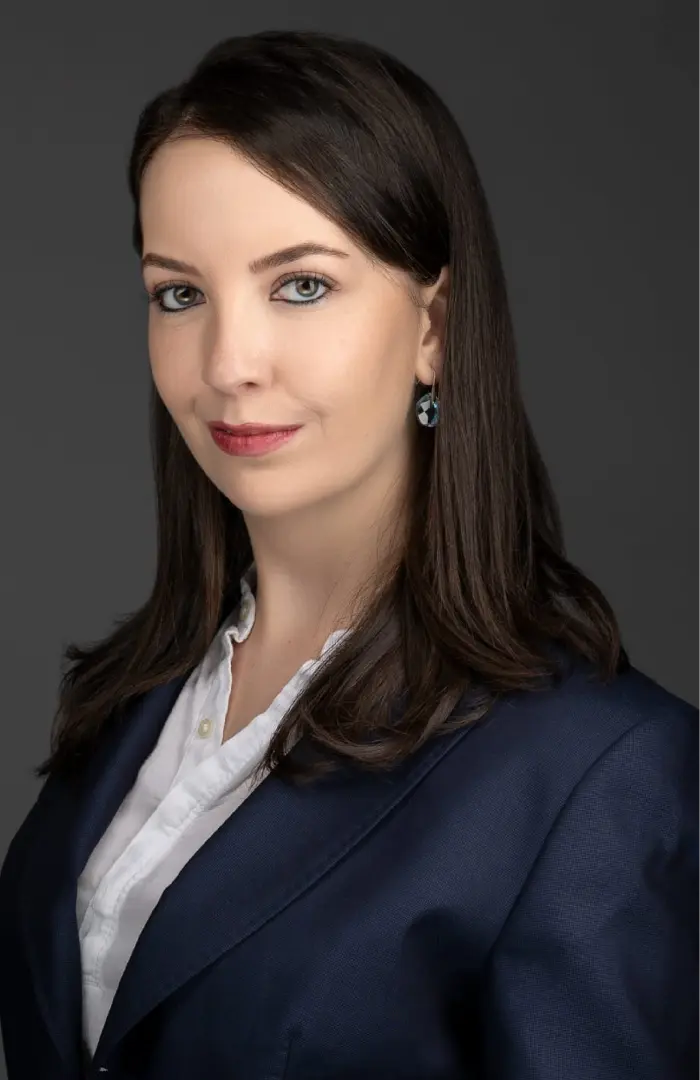
Maria Valeyeva

Maria Valeyeva

Chief Compliance Officer
Georges Touma

Georges Touma

Head Litigator
Carlos Rahme

Carlos Rahme

Senior Legal Consultant
Souhad Al Ghorayeb

Souhad Al Ghorayeb

Senior Legal Consultant
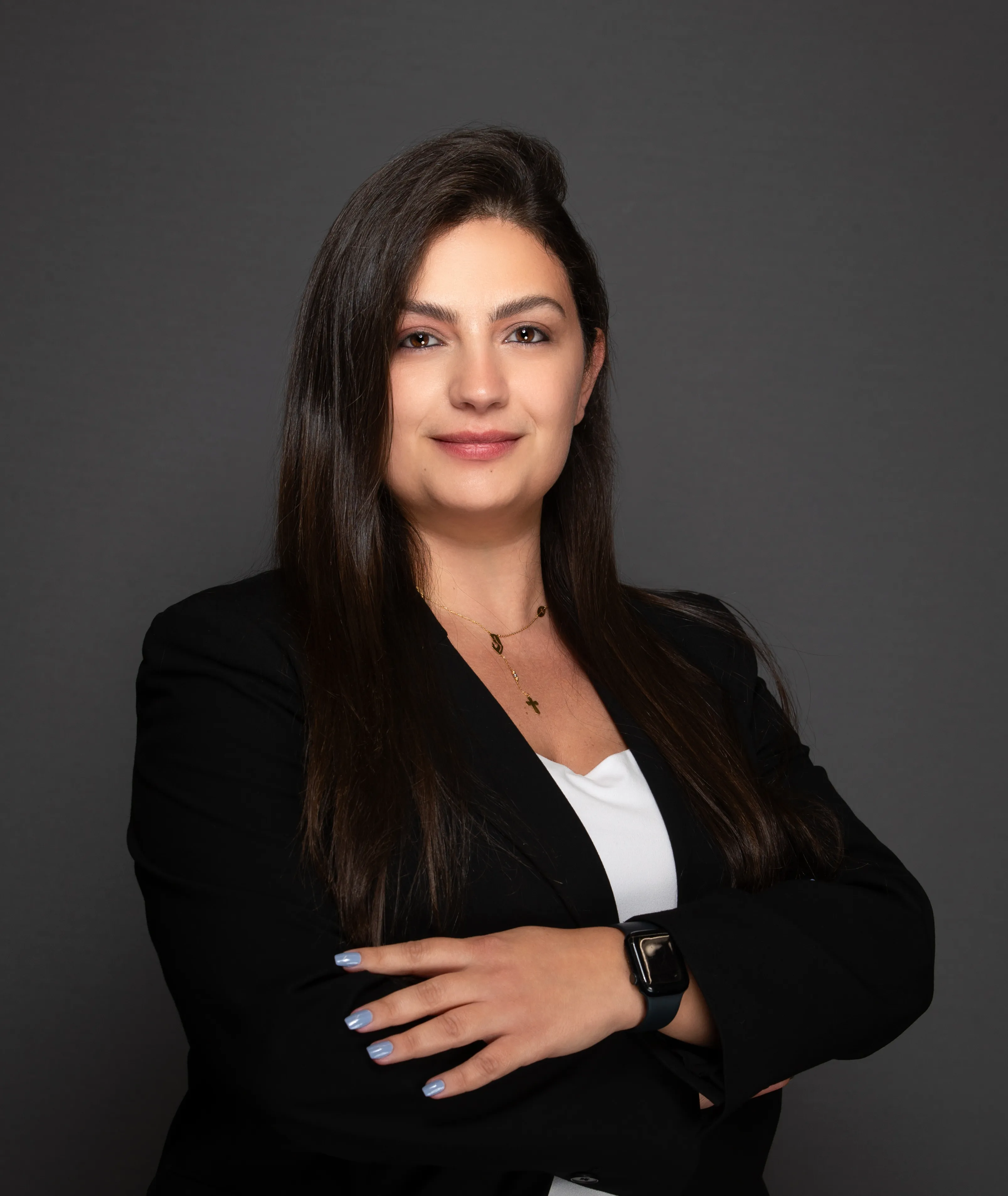
Sandy Y. Geagea

Sandy Geagea

Legal Consultant
Rita Semaan

Rita Semaan

Legal Consultant
Jenifer Abu Nasr

Jenifer Abu Nasr

Paralegal
Muhammed Ali Charif

Muhammed Ali Charif

Junior Legal Counsel
Saeed Gaber

Saeed Gaber

Legal Research Analyst

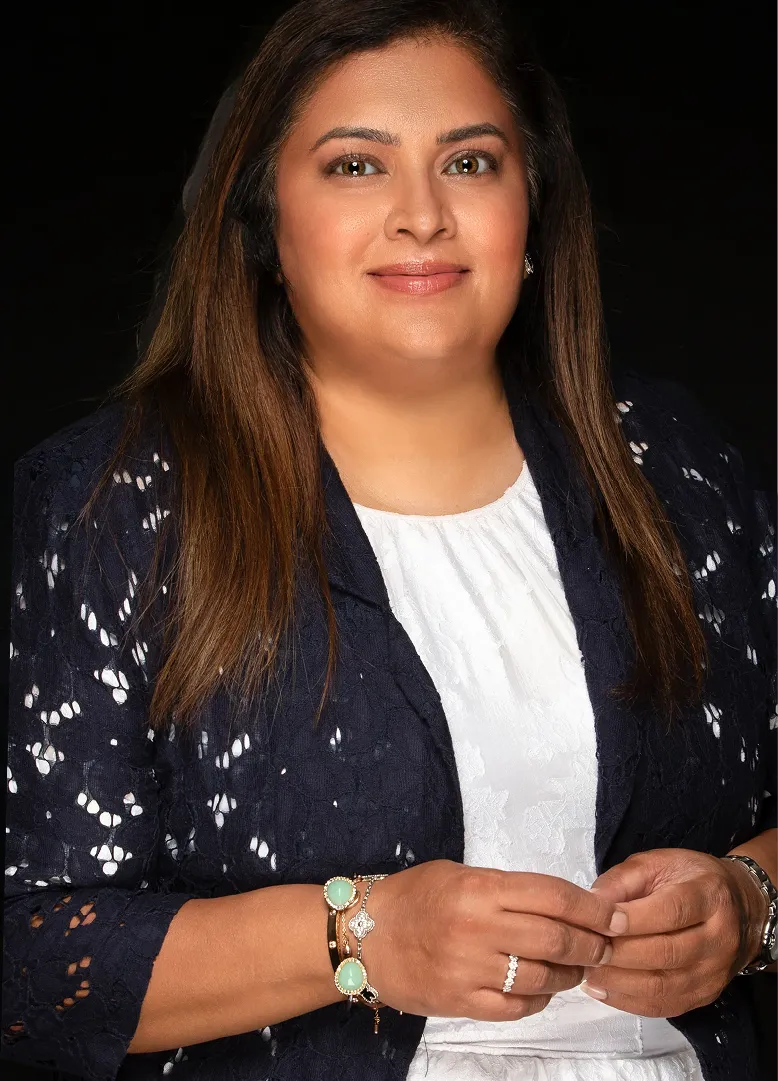
Priya Bavanasi

Senior Corporate Lawyer
Lathamani Chandrashekar

Lathamani Chandrashekar

Senior Corporate Counsel
Professor Mark Engelman

Mark Engelman

Intellectual Property Barrister
Nashita Nazneen

Nashita Nazneen

Junior Corporate Counsel
Patricia Abi Mansour

Patricia Abi Mansour

Business Development Manager

Marium Razzaq

Solicitor

Parvathy Pavithran

HR and Document Controller

Göksu Öznergiz

Associate

Chantal Elia Khawam

Front Desk Specialist
Corporate Law

Islamic Finance Under UAE Law: Sukuk, Murabaha, and Ijarah Explained

The UAE's Islamic finance sector holds over AED 1 trillion in banking assets and is governed by a framework that changed materially in 2025. This article explains how the three dominant Islamic finance structures work under UAE law, which authorities regulate them, and where the legal risks sit after the Dubai Court of Cassation's binding rulings on interest prohibition.

read article
March 17, 2026
Energy Law

How UAE Energy Subcontracts Allocate Risk

Subcontracting in UAE energy projects does not transfer liability away from the main contractor, but it can push significant risk down the chain through back-to-back clauses. This article explains how flow-down terms, pay-when-paid provisions, liability caps, and new 2026 Civil Code changes affect contractors and subcontractors.

read article
March 17, 2026
Energy Law

Gas and LNG Offtake in the UAE: Contract Structure, Pricing, and Disputes

Gas supply and offtake agreements in the UAE operate within a unique legal framework where the state retains ownership of all gas reserves and ADNOC controls production, processing, and distribution. This article explains the key contractual terms, the regulatory constraints that shape commercial negotiations, and where disputes most commonly arise.

read article
March 17, 2026
View all news and insights