رؤى مميزة

الأخبار والتقارير القانونية

من يحتاج إلى ترخيص لتقديم المشورة الاستثمارية في الإمارات؟
إن تقديم توصية شخصية بشأن استثمار خاضع للتنظيم في الإمارات يستلزم ترخيصًا، لكن الجهة المنظِّمة تتوقف على المكان الذي تعمل فيه. يوضّح هذا المقال من يحتاج إلى تصريح من هيئة أسواق المال (CMA) أو سلطة دبي للخدمات المالية (DFSA) أو سلطة تنظيم الخدمات المالية (FSRA) أو المصرف المركزي، وما الذي تغيّر حين أصبحت SCA هي CMA في عام 2026.
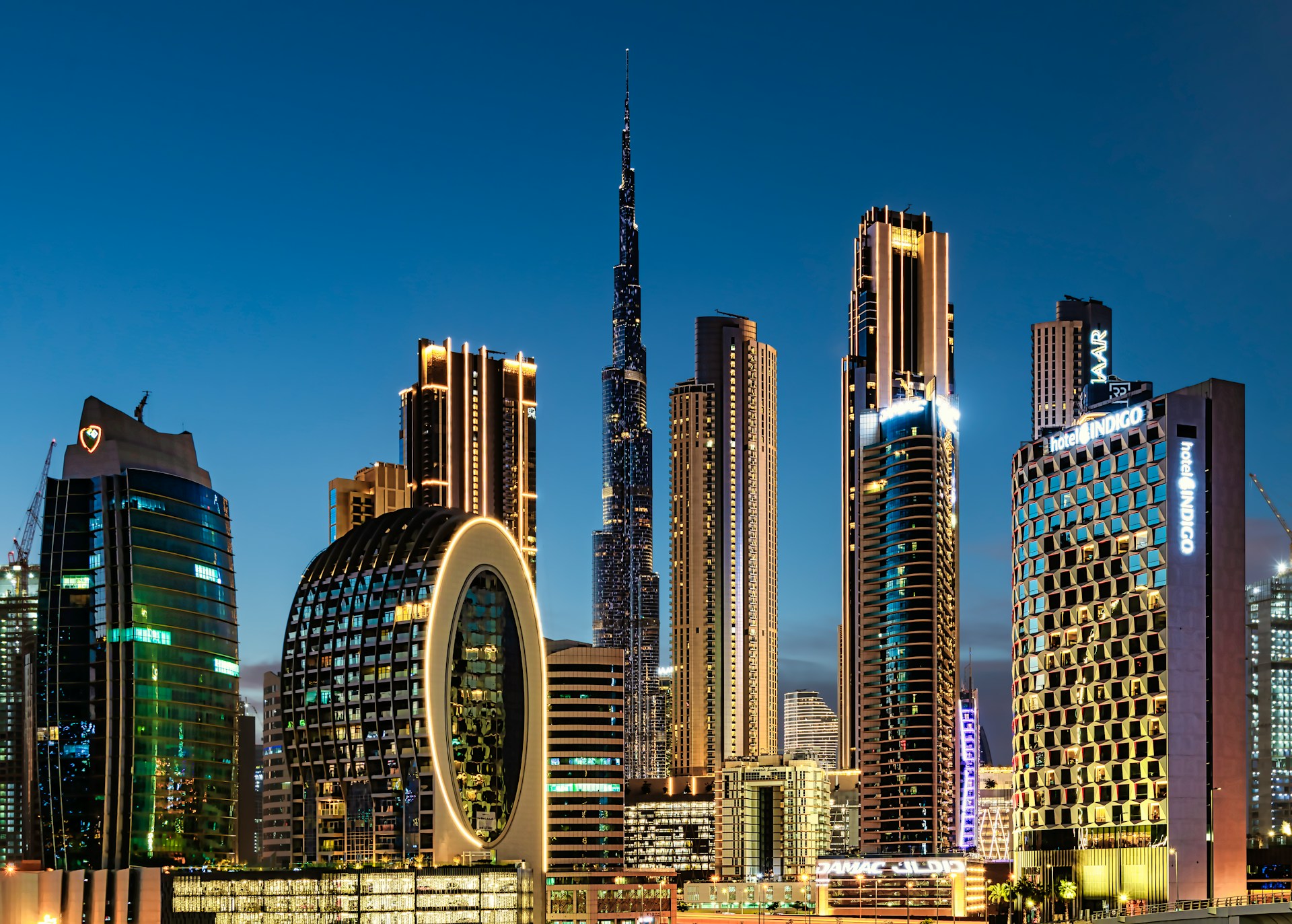
هل يصلح مركز دبي المالي العالمي (DIFC) مقرًّا للتحكيم وقناةً للتنفيذ على الأصول داخل دبي البر الرئيسي في عام 2026؟
يمكن لمركز دبي المالي العالمي أن يكون مقرًّا للتحكيم وقناةً للاعتراف بالأحكام الأجنبية والتحكيمية، لكن إصلاحات عامي 2024 و2025 قيّدت متى يصل هذا الطريق إلى الأصول داخل دبي البر الرئيسي. يشرح هذا المقال اختيار المقر، والقناة، وما الذي تغيّر بالنسبة إلى الدائنين.

كيف تُنفَّذ أحكام التحكيم الأجنبية في دولة الإمارات؟
يمكن تنفيذ حكم التحكيم الأجنبي في دولة الإمارات عبر المحاكم المحلية، أو محاكم مركز دبي المالي العالمي، أو محاكم سوق أبوظبي العالمي، تبعاً لمكان وجود أصول المدين. يشرح هذا المقال إجراء الاعتراف والتنفيذ، وشروط المادة 223، ومسار العبور عبر مركز دبي المالي العالمي، والأسباب المحدودة لرفض التنفيذ.

كيف يمكن إبطال حكم التحكيم في الإمارات؟
إبطال حكم التحكيم في الإمارات ليس استئنافاً. أمام الطرف ثلاثون يوماً من تاريخ الإعلان للطعن على الحكم الصادر داخل الدولة أمام محكمة الاستئناف وفقاً لأسباب المادة 53 الحصرية، والطعن لا يوقف التنفيذ. يشرح هذا الدليل الأسباب والمواعيد ومخاطر التنفيذ والفروق بين الأحكام الصادرة داخل الدولة وفي DIFC وADGM.
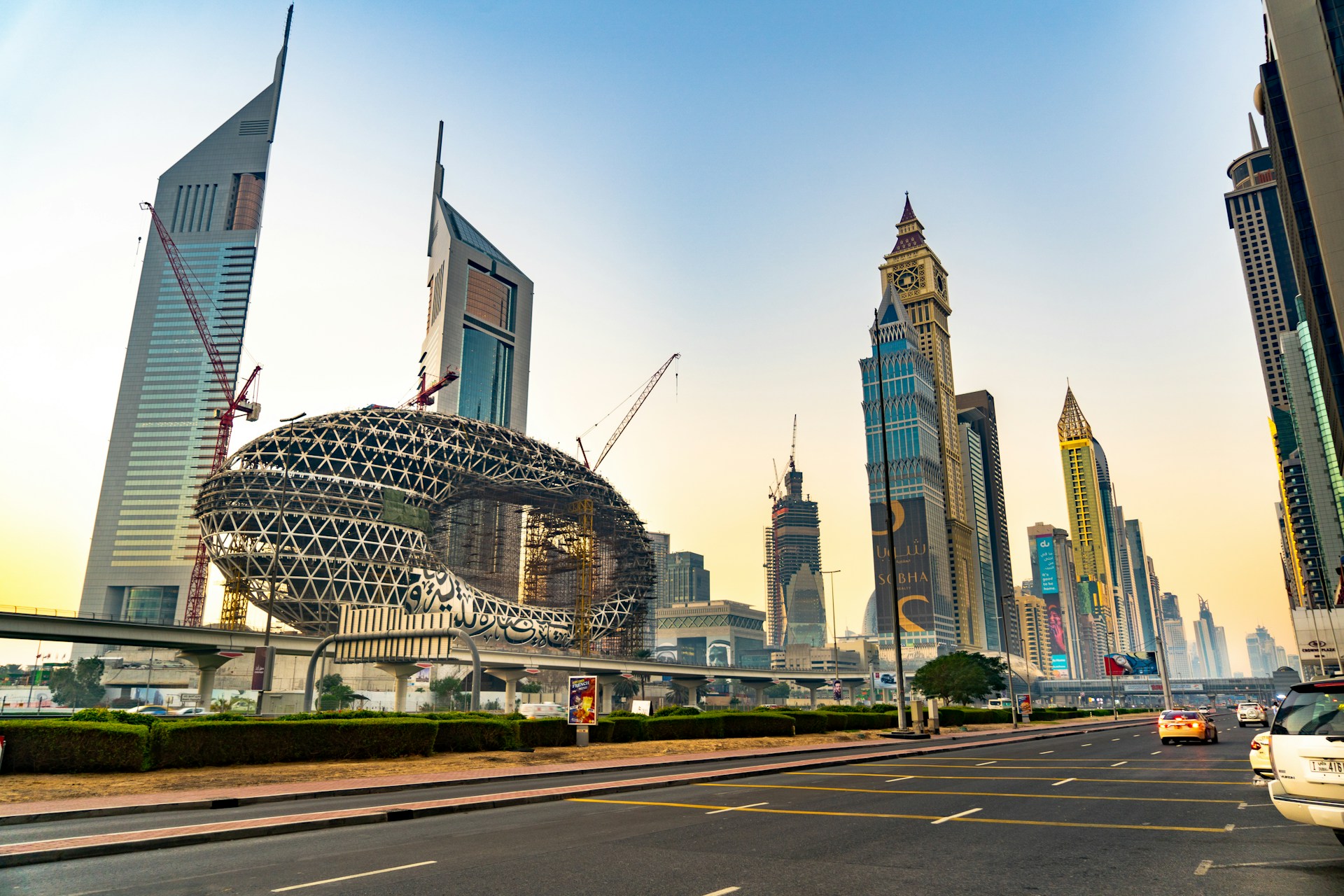
تأسيس شركة في مركز دبي للسلع المتعددة في عام 2026
يبقى DMCC واحدًا من أقوى مناطق دبي الحرة لأنشطة السلع والتجارة والعملات المشفرة، لكن التأسيس صار مصحوبًا بعبء امتثال أثقل. يشرح هذا الدليل أشكال شركات DMCC وضريبة الشركات ومعاملة ضريبة القيمة المضافة وترخيص الكريبتو وواجبات مكافحة غسل الأموال واشتراطات التدقيق ومنابر النزاعات في عام 2026.

تأسيس وتشغيل شركة في جافزا في عام 2026
تبقى جافزا واحدة من أقوى قواعد الإمارات للأنشطة التجارية واللوجستية والصناعية، لكن وضعها القانوني والضريبي قد تغيّر. يشرح هذا الدليل كيف يشكّل شكل الشركة وصفة الشخص المؤهل في المنطقة الحرة والمعاملة الجمركية وضريبة القيمة المضافة وواجبات الامتثال وبنود النزاعات التأسيس في جافزا في عام 2026.

ما بنود ESG والاستدامة التي يجب أن تتضمنها عقود البناء في الإمارات؟
باتت عقود البناء في الإمارات بحاجة إلى معالجة السعفات واستدامة وجواز المواد المستدامة والمرسوم بقانون اتحادي رقم 11 لسنة 2024. يشرح هذا المقال أي بنود ESG واستدامة تساعد على توزيع مخاطر المباني الخضراء قبل نشوء نزاعات الإنجاز أو الدفع أو التصنيف.

دليل حوكمة الشركات للشركات المدرجة في الإمارات
يجب على الشركات المدرجة في الإمارات الامتثال لقواعد حوكمة ملزمة بموجب كود الحوكمة الصادر عن SCA وقانون الشركات التجارية. يشرح هذا المقال استقلالية المجلس واللجان الإلزامية وواجبات الإفصاح وضوابط الأطراف ذات العلاقة وإصلاح 2025 الذي يتيح لرئيس المجلس أن يكون رئيسًا تنفيذيًا أيضًا.

العطاءات الحكومية في الإمارات: خطوات الامتثال قبل التقدم لعطاء اتحادي
يجب على الشركات الخاصة المتقدمة للعقود الحكومية الاتحادية في الإمارات استيفاء اشتراطات التسجيل والضرائب ومكافحة غسل الأموال والتوطين والنزاهة قبل تقييم عطائها. يشرح هذا المقال كيف يعمل نظام المشتريات الاتحادي، وما الذي تغيّر بموجب قانون المشتريات لعام 2023، ولماذا صار الامتثال السابق للعطاء يقرر ما إذا كانت الشركة قادرة على المنافسة.

الرقابة على الاندماجات في الإمارات: هل تستوجب صفقتك إخطارًا بموجب قانون المنافسة؟
جعل قانون المنافسة الجديد في الإمارات الرقابة على الاندماجات مسألة إغلاق حقيقية للصفقات ذات الصلة بالإمارات. فقد تستوجب الصفقات تقديم إخطار إلى وزارة الاقتصاد قبل الإتمام إذا بلغت حد الإيرادات البالغ 300 مليون درهم أو حد الحصة السوقية البالغ 40%.
.jpg)
قواعد التوطين في الإمارات: النسب ودعم نافس وغرامات وزارة الموارد البشرية والتوطين
بات التوطين ملف امتثال حيّاً للشركات الخاصة في الإمارات، بنسب أعلى وغرامات شهرية وعمليات تفتيش مدعومة بالذكاء الاصطناعي وخطر جنائي على التعيينات الوهمية. يحتاج أصحاب العمل إلى أدوار حقيقية وعقود سليمة وأدلة رواتب وخطة استبقاء تصمد أمام تدقيق الوزارة.

الأسرار التجارية في الإمارات: كيف يمكن للشركات حماية معلومات أعمالها السرّية
يحمي القانون الإماراتي الأسرار التجارية بوصفها أصولاً تجارية قابلة للإنفاذ، لكن الحماية تتوقف على أكثر من شرط سرّية. فعلى الشركات إثبات أنها اتخذت تدابير فعّالة لإبقاء المعلومات سرّية، لا سيما عند التعامل مع الموظفين المغادرين والشركاء السابقين والتسريبات الرقمية.

ما الذي يتطلبه امتثال المباني الخضراء من مطوّر في دبي؟
لم يعد امتثال المباني الخضراء في دبي تفضيلاً للاستدامة أو تمريناً في العلامة التجارية. فنظام السعفة يعمل الآن كبوابة ترخيص إلزامية يمكن أن توقف مشروعاً قبل بدء البناء وتؤخر التسليم إذا ظهرت فجوات الامتثال متأخرة. يشرح هذا الدليل كيف تتفاعل السعفة واستدامة وقانون التغير المناخي الإماراتي عبر دورة حياة المشروع.

كيف تمتثل للإبلاغ عن غازات الاحتباس الحراري بموجب قانون التغير المناخي الإماراتي
حوّل قانون التغير المناخي الإماراتي الإبلاغ عن غازات الاحتباس الحراري من تمرين طوعي في الحوكمة البيئية والاجتماعية إلى التزام امتثال قانوني يطال كل قطاع تقريباً. يشرح هذا الدليل مَن يُعدّ مصدراً للانبعاثات، وكيف تعمل منصة القياس والإبلاغ والتحقق، وما الذي يجب على الأعمال قياسه، ولماذا قد يصبح انتظار تمديد الموعد النهائي خطأً مكلفاً.

استرداد الديون التجارية العابرة للحدود غير المسددة في الإمارات
حين يتوقف طرف مقابل إماراتي عن السداد بموجب عقد تجاري عابر للحدود، يعتمد الاسترداد عادةً على أصول المدين في الإمارات أكثر من اعتماده على القانون الحاكم. يشرح هذا الدليل المسارات العملية، من المطالبة الرسمية وتنفيذ الشيك إلى التحكيم وأوامر الأداء والحجز التحفظي واستراتيجية الإعسار.

استرداد الخسائر من عقد تجاري إماراتي جرى الإخلال به
حين ينهار عقد تجاري في الإمارات، نادراً ما يكون السؤال القانوني هو ما إذا كان الإخلال قد وقع. السؤال الحقيقي هو ما الخسائر القابلة للاسترداد فعلاً، وما الذي يمكن للمدّعي تنفيذه واقعياً، وما إذا كان الطرف المقابل يملك أصولاً تستحق الملاحقة. يشرح هذا المقال كيف يتعامل القانون الإماراتي مع التعويض وشروط التعويض الاتفاقي والتنفيذ العيني والفسخ وأدوات الضمان والاسترداد بعد صدور الحكم.

تنفيذ أحكام المحاكم الإماراتية: ماذا يحدث بعد أن تكسب الدعوى؟
الحكم القضائي الصادر لصالحك في الإمارات ليس سوى بداية الاسترداد. يشرح هذا المقال كيف تعمل إجراءات التنفيذ بموجب القانون الإماراتي، من فتح ملف التنفيذ وتتبّع الأصول إلى تجميد الحسابات المصرفية وحجز العقارات وتنفيذ الأحكام بحق المدينين الممتنعين.

الإجحاف بحق شركاء الأقلية في الإمارات: ما الذي يستطيع شركاء الشركة ذات المسؤولية المحدودة فعله
قد يؤدي الإقصاء من الإدارة، أو الحرمان من الأرباح، أو التخفيف عبر إصدارات حصص استراتيجية، إلى حبس شركاء الأقلية داخل الشركات ذات المسؤولية المحدودة في الإمارات بلا سيطرة عملية تُذكر. يبحث هذا المقال سبل الانتصاف القانونية المتاحة فعلاً بموجب القانون الإماراتي، بما يشمل دعاوى المادة 84، وإنفاذ اتفاقيات الشركاء، والأوامر المستعجلة، وحدود حماية الشركاء خارج مركز دبي المالي العالمي.

هل يمكن لمقاول في الإمارات استرداد قيمة الأعمال المتغيّرة دون أمر تغيير موقّع؟
نزاعات التغييرات من أكثر أسباب خلافات السداد شيوعاً في مشاريع البناء بالإمارات. يشرح هذا المقال متى يمكن للمقاولين استرداد قيمة الأعمال المتغيّرة دون أمر تغيير موقّع، وكيف تقيّم المحاكم الإماراتية موافقة ربّ العمل، ولماذا يبقى الالتزام بإخطارات فيديك بالغ الأهمية.

ما التعرّض القانوني لتشغيل نشاط أصول افتراضية في دبي دون ترخيص من هيئة تنظيم الأصول الافتراضية؟
تملك هيئة تنظيم الأصول الافتراضية في دبي سلطات واسعة لمعاقبة منصات تداول العملات المشفّرة غير المرخّصة، وجهات الحفظ، ومشاريع الرموز الرقمية، والحملات التسويقية الموجّهة إلى مستخدمين في الإمارات. يشرح هذا المقال كيف يعمل إنفاذ الهيئة، وحجم الغرامات المحتملة، والتعرّض الشخصي الذي يواجه المؤسسين والمديرين.